
FRP tubes for water distribution and sewage systems
Introduction
Fiber Reinforced Polymers (FRP) are composite materials made of a polymer matrix reinforced with fibers, usually glass, carbon or aramid. FRP tubes are cylindrical structures made from this composite material and have been used in various applications due to their unique properties. In this article, we will discuss the advantages and challenges of using FRP tubes in water distribution and sewage systems.
Water distribution and sewage systems require materials that can withstand harsh environmental conditions, including chemical exposure, temperature variations, and pressure changes. FRP tubes possess several properties that make them suitable for these applications, such as corrosion resistance, low friction coefficient, light weight, high strength-to-weight ratio, durability, and low maintenance.
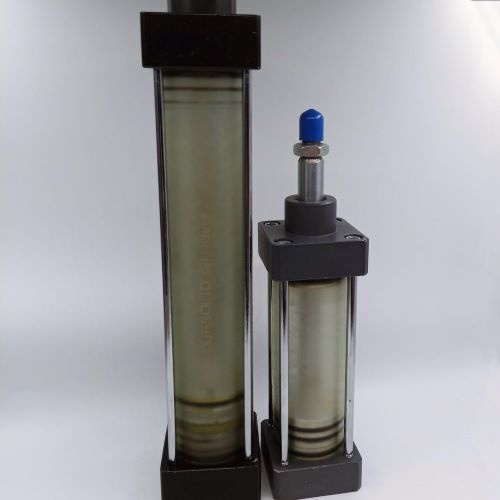
Advantages of using FRP tubes in water distribution and sewage systems
1. Corrosion resistance: FRP tubes are highly resistant to corrosion and do not rust or corrode like traditional materials such as steel or concrete. This property helps to extend the life of the structure and reduces maintenance costs.
2. Low friction coefficient: FRP tubes have a smooth interior surface, which provides a low friction coefficient that prevents the buildup of sediment and debris, reducing the risk of clogs and blockages.
4. High strength-to-weight ratio: FRP tubes have a high strength-to-weight ratio, which means they are stronger than traditional materials at the same weight. This property is particularly important for water transmission pipelines because it reduces the risk of structural failures due to pressure changes.
6. Low maintenance: Due to their high resistance to corrosion and degradation, FRP tubes require low maintenance compared to traditional materials, reducing overall maintenance costs and downtime.
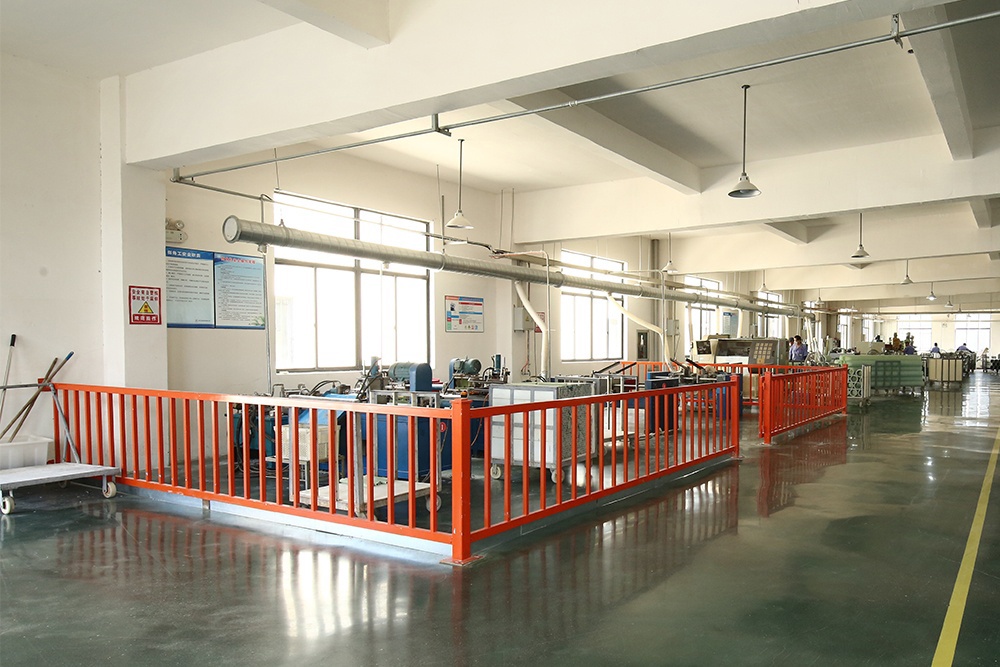
Water distribution applications of FRP tubes
1. Transmission pipelines: FRP tubes can be used in the construction of water transmission pipelines because they are lightweight and have a high strength-to-weight ratio. This property reduces installation time and cost, making them a cost-effective choice for long-distance transmission.
3. Reservoirs and storage tanks: FRP tubes can be used in the construction of reservoirs and storage tanks, which require materials that are resistant to chemical exposure and degradation. FRP tubes are also lightweight, reducing the load on supporting structures.
Sewage system applications of FRP tubes
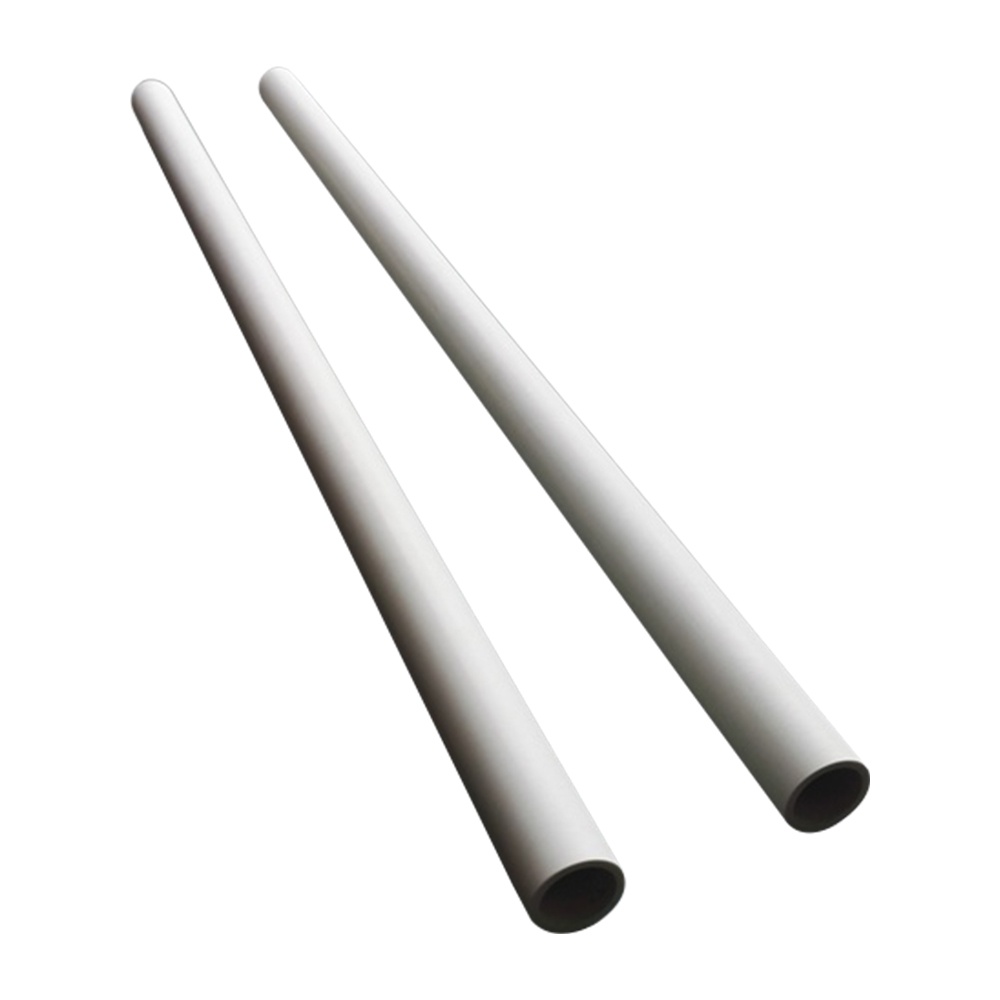
1. Sewer pipelines: FRP tubes can be used in the construction of sewer pipelines, which require materials that are corrosion-resistant and have a smooth interior surface to prevent the buildup of sediment and debris. FRP tubes are also lightweight, reducing the installation cost and reducing the risk of structural failures due to pressure changes.
2. Wastewater treatment plants: FRP tubes can be used in the construction of wastewater treatment plants, which require materials that can withstand chemical exposure and degradation. FRP tubes also have a smooth interior surface, reducing maintenance requirements and preventing clogs and blockages.
Challenges and limitations of using FRP tubes in water distribution and sewage systems
2. Temperature limitations: FRP tubes are not suitable for high-temperature applications, as they have a lower melting point compared to traditional materials such as steel or concrete.
3. Fire resistance: FRP tubes are not inherently fire-resistant and can melt or burn when exposed to high temperatures. However, fire-retardant additives can be incorporated into the manufacturing process to improve fire resistance.
4. Cost: FRP tubes can be more expensive upfront compared to traditional materials such as steel or concrete. However, their long service life and low maintenance requirements can offset these costs in the long run.