
How strong is fiberglass tubing?
Fiberglass tubing is a highly strong pipe material that is also extremely durable and rigid, providing powerful protection for applications such as 5G base stations, water pipes, and critical infrastructure. Fiberglass tubing is composed of glass fiber reinforcement materials and a resin matrix. It undergoes special manufacturing processes to enhance its strength and possesses many exceptional mechanical properties. It finds applications in various protective fields and serves as a viable alternative to carbon fiber materials while offering multiple protective benefits.
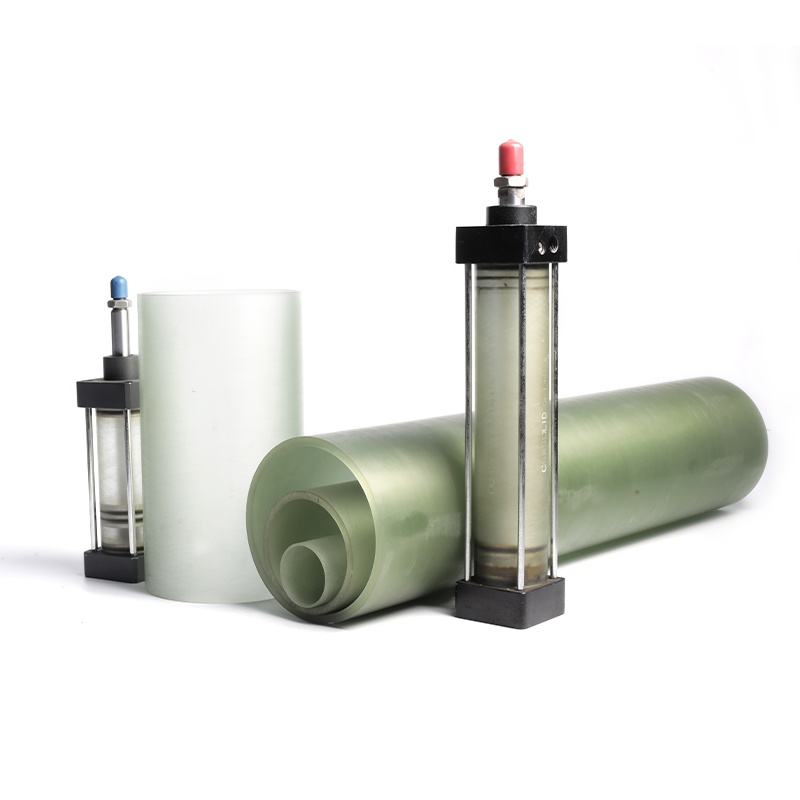
How strong is fiberglass tubing?
Contrary to commonly seen aluminum alloys and stainless steels, fiberglass tubing is even stronger, making it capable of providing continuous and reliable structural support and load-bearing capacity in various applications.

Lightweight properties of fiberglass tubing
Other advantages of fiberglass tubing
Corrosion resistance: Fiberglass tubing exhibits excellent resistance to corrosion. It demonstrates resistance to various common chemicals and environmental conditions, including acids, alkalis, saltwater, and different chemical solutions. This makes fiberglass tubing widely applicable in industries such as chemical engineering, wastewater treatment, and marine environments characterized by corrosive conditions.
Insulation properties: Fiberglass tubing possesses excellent insulation properties. It effectively isolates electricity and heat, offering outstanding insulation effects. Consequently, fiberglass tubing finds extensive applications in the electrical industry and thermal engineering fields, such as cable protection and heat exchangers.
High elastic modulus: Fiberglass tubing has a high elastic modulus, displaying good stiffness and bending resistance. It can withstand external loads and pressures while maintaining shape stability and exhibiting low deformation rates.
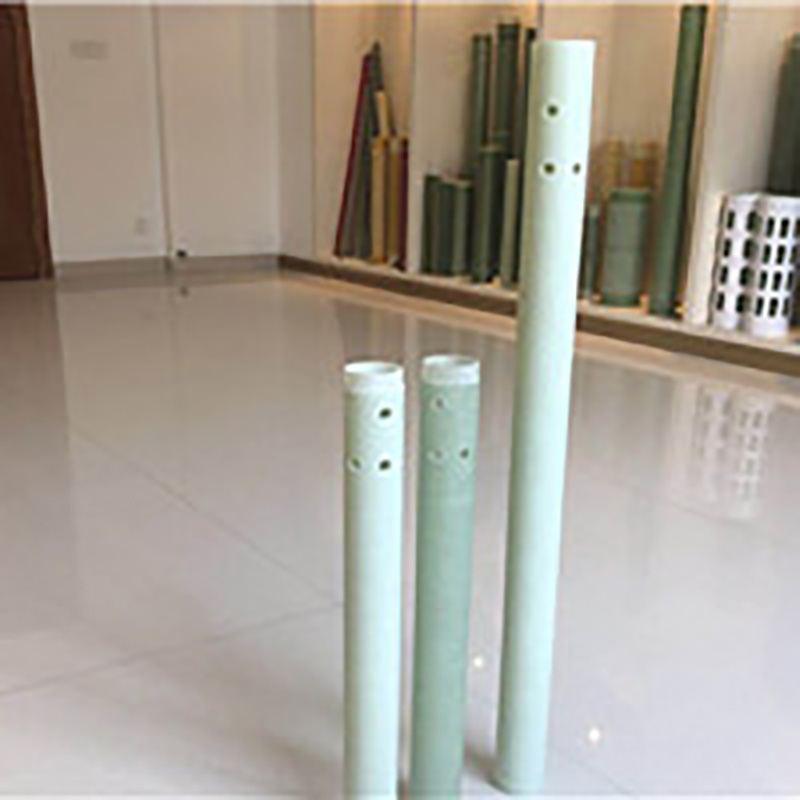
In summary
Fiberglass tubing is a popular product in the current market. It can be used in various applications that require high strength, such as the petroleum industry, electrical protection, architectural protection, and 5G antenna protection. With advancements in technology, the strength and performance of fiberglass tubing continue to improve, making it a material that can replace carbon fiber in many applications.