
Artificial Rainfall Bombshell: Benefits and Drawbacks of Extreme Weather Modification
Introduction
Artificial rainfall is a process of inducing precipitation through human intervention in areas that suffer from water scarcity or drought. It is an important technology in agriculture, forestry, and water management, as it helps to increase the availability of water resources, reduce the risk of wildfires, and promote plant growth. However, the use of extreme methods such as "rain bombshells" has raised concerns about the environmental impacts and safety of artificial rainfall. This article will explore the concept of artificial rainfall, the technology behind rain bombshells, and the benefits and drawbacks of their use.
What is an Artificial Rainfall Bombshell?
The potential benefits of using rain bombshells include increased water availability for agriculture, reduced wildfire risks, and improved air quality due to decreased dust and pollution. However, there are also significant drawbacks to this approach. For example, heavy rainfall can cause flooding and landslides, leading to property damage, loss of life, and disruptions to infrastructure. Furthermore, rain bombshells could have long-term effects on weather patterns, ecosystems, and the environment.
Recommended Content Wikipedia
History of Artificial Rainfall Bombshell
Since then, cloud seeding technology has been used successfully in numerous countries around the world. China is one of the most active users of the technology, with thousands of cloud-seeding operations carried out every year to increase rainfall in regions suffering from drought.
Contemporary Use of Artificial Rainfall Bombshell
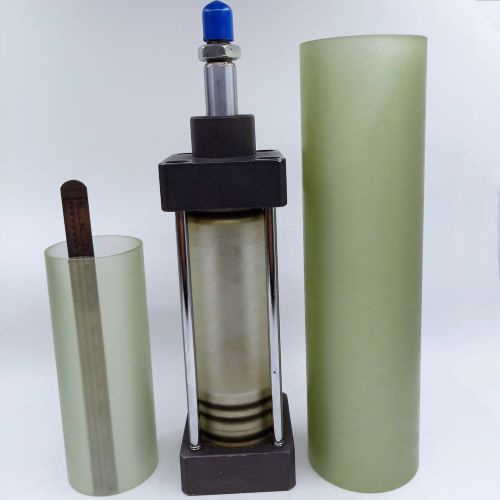
The current methods for creating a rain bomb involve the use of aircraft or ground-based generators to release large quantities of chemicals into clouds simultaneously. The process usually takes place within a few hours and can cover an area of several thousand square kilometers. The chemicals used for cloud seeding are carefully selected based on the type of cloud and weather conditions, and the amount of chemical used is adjusted according to the desired amount of rainfall.
Real-world examples of successful rain bombing operations include the improvement of crop yields in arid regions, the reduction of wildfire risks in forests, and the provision of water resources for drinking and irrigation purposes. However, there are also concerns about the effects of rain bombs on the environment, such as the potential for soil erosion, water pollution, and damage to ecosystems.
Critics of artificial rainfall bombshells argue that the risks outweigh the benefits, citing the potential for flooding, landslides, and other natural disasters. They also question the effectiveness of the technique, arguing that the heavy rainfall may not necessarily alleviate drought conditions but could instead lead to waterlogging and soil erosion.
Conclusion

Zhejiang hetai new materials co., LTD. ALL RIGHTS RESERVED

