
The Benefits Of Using FRP Insulation Tubes for HVAC Systems
Introduction
A. Definition of FRP insulation tubes: FRP stands for Fiber-Reinforced Plastic and refers to a composite material made of a polymer matrix reinforced with fibers. FRP insulation tubes are tubes made of FRP material designed to provide thermal insulation to HVAC systems.
B. Purpose of FRP insulation tubes in HVAC systems: HVAC systems require proper insulation to maintain desired temperatures, ensure energy efficiency, and avoid condensation. FRP insulation tubes provide an effective solution to these challenges.
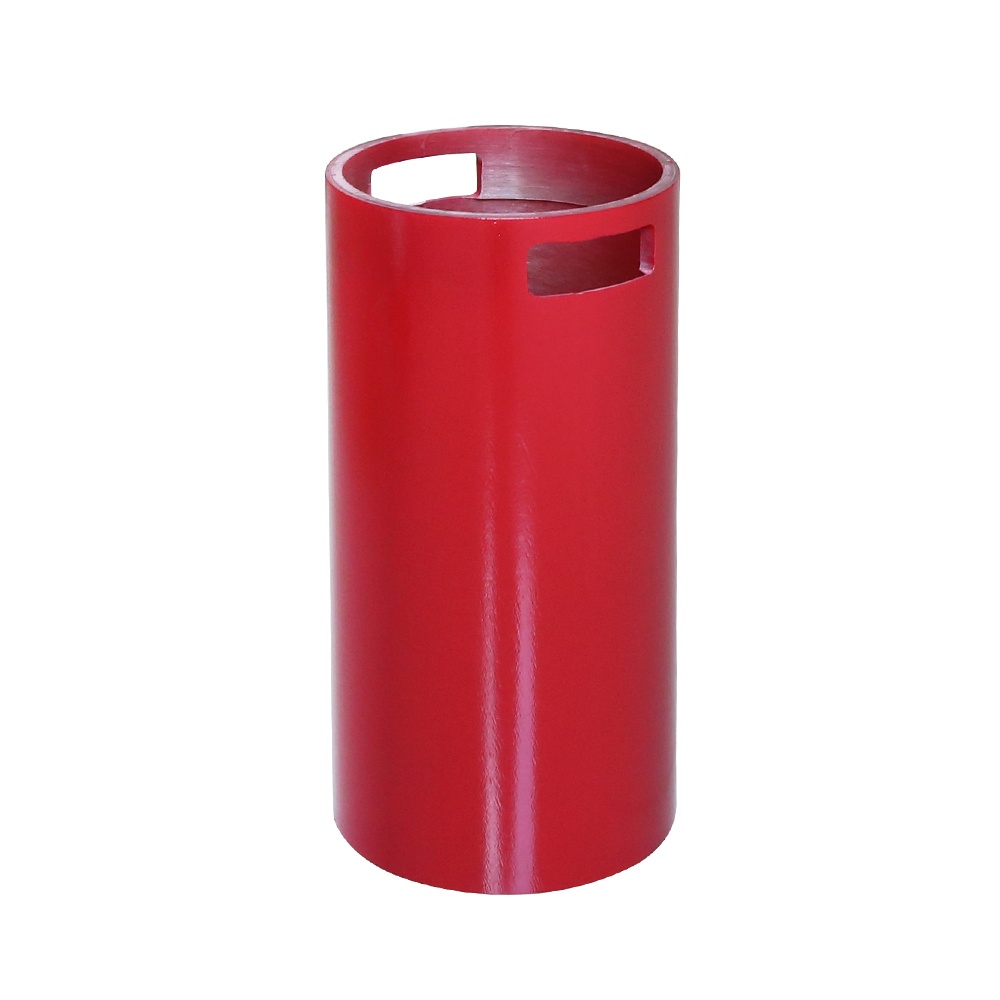
Advantages of using FRP insulation tubes for HVAC systems
B. Light-weight and easy to install: FRP insulation tubes are lightweight and easy to handle, making installation and maintenance a breeze.
C. Durable and long-lasting: FRP insulation tubes have superior strength and are resistant to wear, making them a long-lasting solution for HVAC systems.
E. Fire-resistant properties: FRP insulation tubes are made of non-combustible materials, providing a safe solution for HVAC systems.
G. Cost-effective solution: FRP insulation tubes are a cost-effective solution for HVAC systems, given their long life span and low maintenance requirements.
Applications of FRP insulation tubes in HVAC systems
A. Air ducts: FRP insulation tubes are used for air ducts to regulate air temperature and ensure energy efficiency.
B. Refrigeration lines: FRP insulation tubes are used for refrigeration lines to maintain consistent temperatures and avoid condensation.
D. Steam piping: FRP insulation tubes are used for steam piping to prevent heat loss and maintain consistent temperatures.
E. Condenser and evaporator coils: FRP insulation tubes can be used to insulate condenser and evaporator coils.
Comparison of FRP insulation tubes with other materials
A. Fiberglass insulation: While fiberglass insulation is cheaper than FRP insulation tubes, it is less durable and requires frequent replacement.
B. Polyurethane foam insulation: Polyurethane foam insulation is commonly used in HVAC systems, but it is not as durable as FRP insulation tubes and can break down over time.
C. Rubber insulation: Rubber insulation is lightweight and easy to install, but it is not as durable as FRP insulation tubes and can break down over time.

Conclusion
Future outlook of FRP insulation tubes in HVAC systems: FRP insulation tubes will continue to gain popularity in the HVAC industry for their durability, thermal insulation properties, and cost-effectiveness.

Zhejiang hetai new materials co., LTD. ALL RIGHTS RESERVED

