
The Importance and Factors Impacting High Voltage Bushing Capacitance
High voltage bushings are essential components in power transmission and distribution systems, connecting transformers, switchgear, or cables. They must be able to withstand high voltage currents and have excellent insulation properties. One important parameter for bushings is the capacitance value, which will be detailed below.
What is Bushing Capacitance?
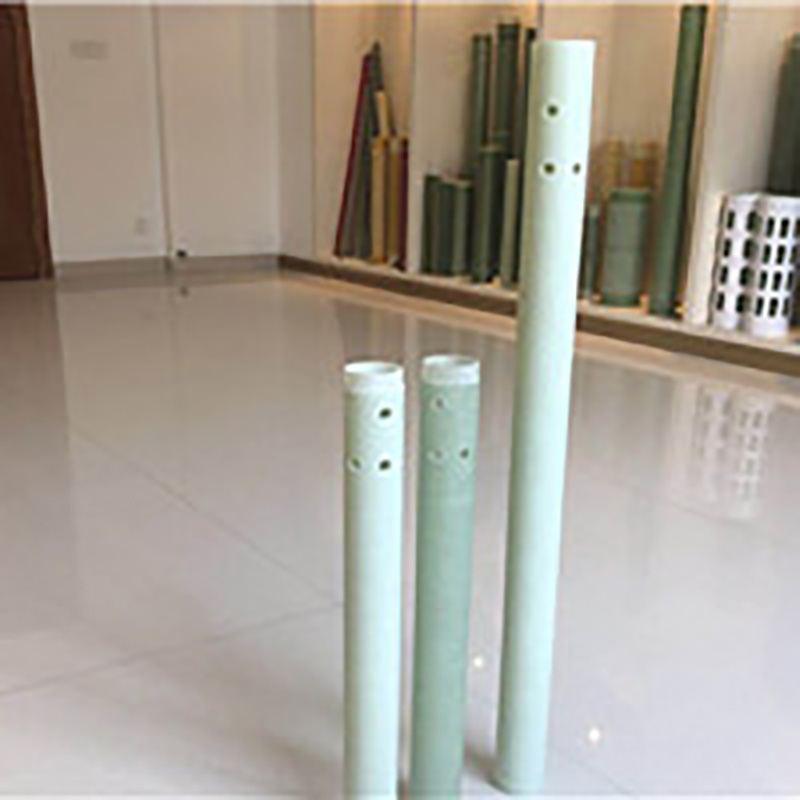
Bushing capacitance refers to the capacitance of a high voltage bushing. It is an important parameter for measuring the insulation performance of the bushing. The capacitance value can be determined by adding the bushing to a circuit with a known frequency and measuring the amount of capacitance required in the circuit. Bushing capacitance is usually measured in picofarads (pF).
Why is Bushing Capacitance Important?
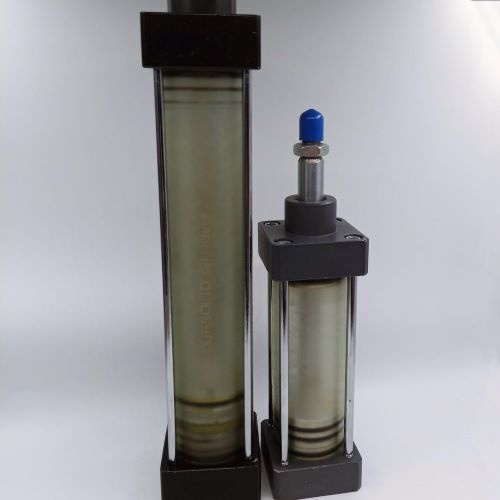
Bushing capacitance is critical for the performance and reliability of high voltage bushings. The capacitance value is dependent on factors such as the size, shape, insulation material, and surrounding environment of the bushing. A larger capacitance value indicates better insulation performance for the bushing, even at the same current and voltage level. Therefore, when designing and selecting high voltage bushings, it is necessary to consider the capacitance value.
Factors Affecting Bushing Capacitance
2. Insulation material: Different types of insulation materials have different capacitance values. Typically, insulation materials with higher dielectric constants will result in higher capacitance values for the bushing at a given thickness.
3. Ambient temperature: The ambient temperature can also affect the capacitance value of a bushing. In general, the capacitance value of a bushing will increase in high-temperature environments.
Conclusion

Zhejiang hetai new materials co., LTD. ALL RIGHTS RESERVED

